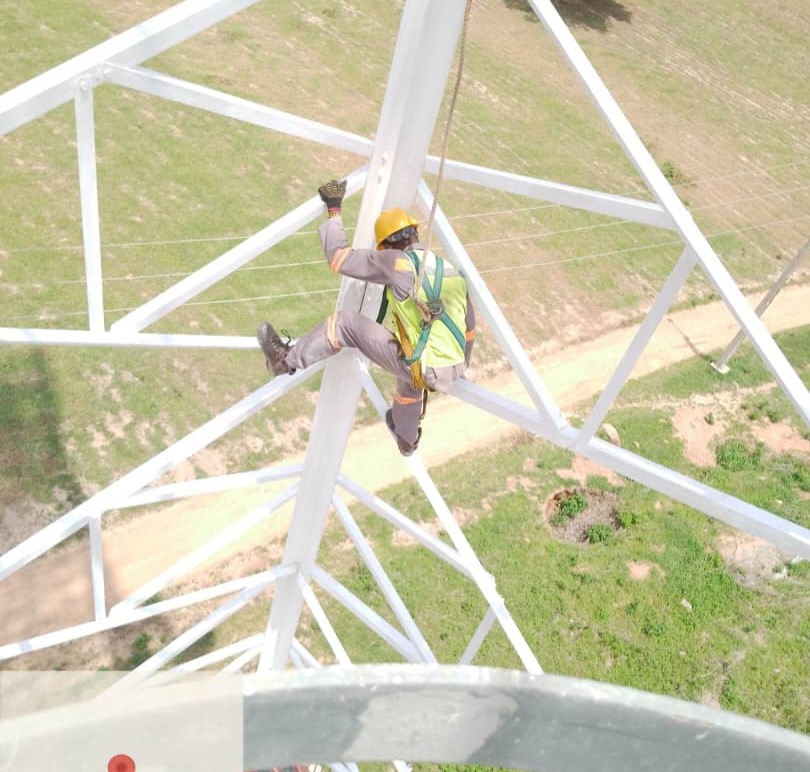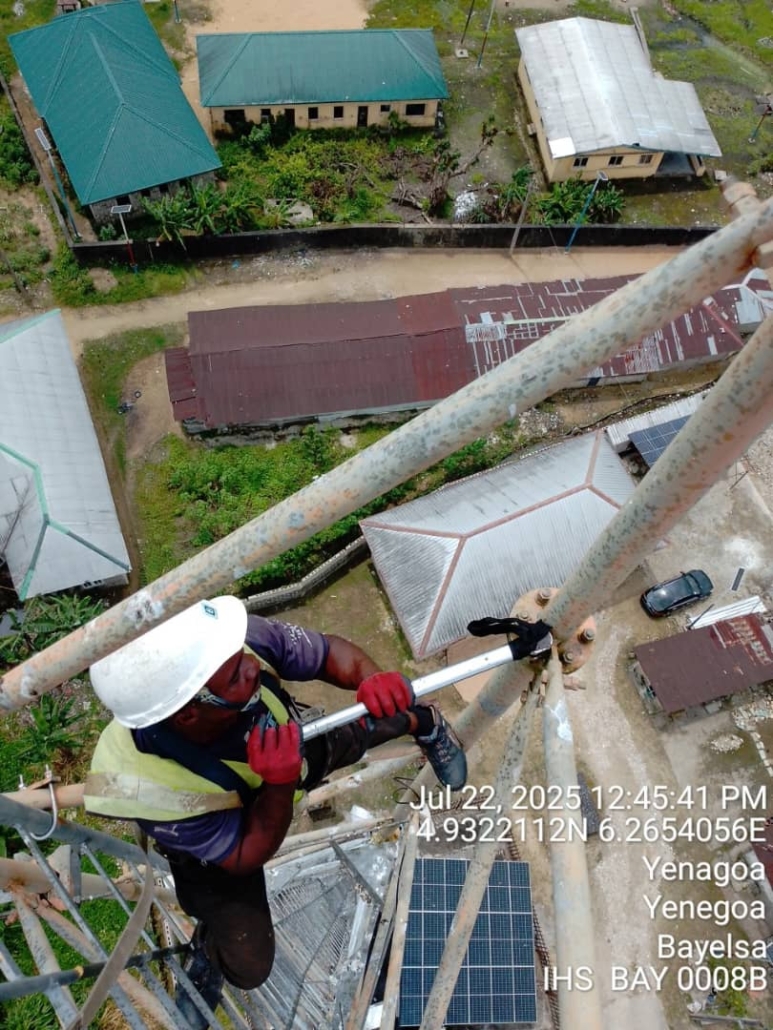
Riggers play a vital role in the telecommunications sector by ensuring that necessary equipment is safely and efficiently installed and maintained. These skilled professionals specialize in the art of rigging, which involves the use of various tools and techniques to secure, lift, and move heavy materials and equipment essential for telecommunication systems. Within this field, riggers perform multiple responsibilities that contribute significantly to the overall functionality and reliability of telecommunication infrastructure.
The skills required for a rigger are multifaceted, encompassing physical strength, technical knowledge, and an acute awareness of safety protocols. Riggers must possess the ability to read blueprints and schematics, which allows them to comprehend the specific requirements of each project. Additionally, they need to be proficient in the use of rigging equipment, such as hoists, slings, and pulleys, and should be capable of performing maintenance on this equipment to ensure its safety and reliability. Acquiring these skills typically involves extensive training, which often includes certifications in rigging techniques and safety practices, emphasizing the importance of safety in this demanding environment.
Safety is paramount in the rigging profession, given the inherent risks associated with handling heavy equipment at great heights. Riggers are trained to follow strict safety protocols, including the use of personal protective equipment (PPE) and understanding fall protection systems. This is critical as the telecommunications industry frequently involves working on towers and other structures that require riggers to operate in challenging conditions. Various types of rigging positions exist, including tower riggers, who focus on installing and maintaining equipment on telecommunication towers, and aerial riggers, who may work on installations that require aerial lifts or platforms. Each of these roles carries specific responsibilities, contributing to the overall success and safety of telecom projects.
Importance of Riggers in Infrastructure Development
Riggers play an indispensable role in the infrastructure development of the telecommunications sector, where their expertise directly contributes to the establishment and maintenance of resilient communication frameworks. These professionals are responsible for the strategic installation of crucial components such as communication towers, antennas, and other essential structures that form the backbone of network coverage. The proficiency of riggers ensures that these installations not only meet safety standards but also function optimally to facilitate reliable communications.
One of the primary contributions of riggers is their ability to erect and maintain communication towers effectively. Towers must be engineered to withstand various environmental conditions and to support the weight and positioning of antennas. Riggers are adept at employing specialized equipment, understanding structural integrity requirements, and implementing safety protocols that are vital for ensuring the longevity and functionality of these installations. The precise work done by riggers allows telecommunications companies to expand their networks and improve connectivity, especially in underserved or remote regions.
In summary, the pivotal role of riggers in infrastructure development is fundamental to the telecommunications industry. Their expertise ensures the effective installation, maintenance, and safety of critical structures, ultimately leading to enhanced connectivity and network performance.